

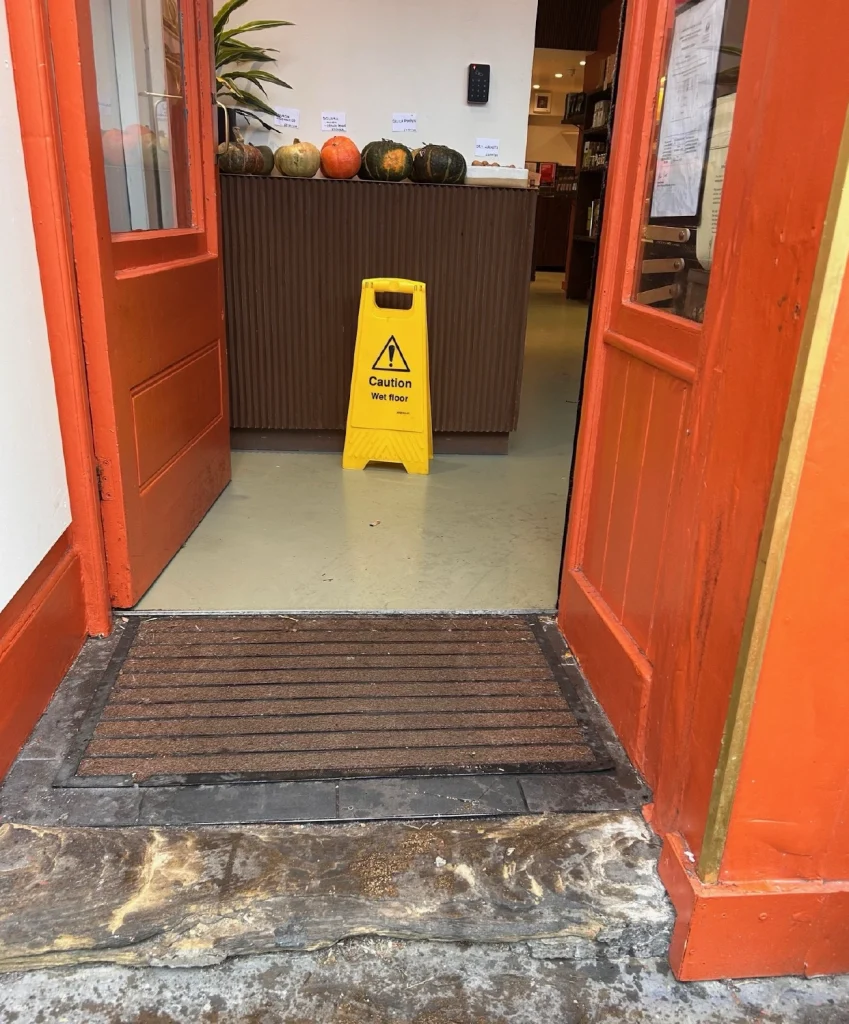
Effective risk assessment is a core governance mechanism that protects people, stabilises operations, and reduces organisational exposure. When used well, it provides foresight, revealing potential failures, highlighting weak points, and enabling teams to plan for success rather than react to crises.
Why Risk Assessment Matters
Risk assessment is not an administrative task; it is one of the most powerful strategic tools available. Failures arise not from incomplete forms but from weak thinking, poor systems, and unclear cultural expectations. Boards shape this environment. Leaders who ask curious, evidence‑based questions set the tone for strong, reliable practice.
After major incidents, prosecutions, or regulatory interventions, weaknesses in risk assessment are almost always identified. Hindsight is a benefit we rarely have – what organizations need is foresight and risk assessment is the tool that helps organizations to plan ahead.
Five Key Questions for Leaders
- Do you have visibility of your real risks? Senior leaders must understand the organisation’s top credible worst‑case scenarios and the critical controls that prevent them.
- Are assessments grounded in real work? They should reflect how tasks are actually done, not what assessors think is done. They must incorporate workforce input and adapt as conditions change.
- Are controls understood and appropriate? Controls may reduce likelihood, reduce consequence, or both. Many managers struggle to describe what controls actually do, leading to incorrect selection, weak mitigation, or misleading risk ratings.
- Is competence and ownership clear? Competence requires regular practice, coaching, and engagement, not a one‑off training event. The assessments must have the input and buy-in of the workers (note the HSE demand this).
- How do you know controls work? Verification differentiates confidence from complacency. Monitoring must be embedded into daily activity using simple, real‑time checks.
What Risk Assessments Are Required?
Legislation requires several types of assessment, including:
- general workplace assessments;
- business continuity and emergency planning;
- display screen equipment;
- manual handling;
- work equipment;
- vehicle and pedestrian safety;
- dangerous substances assessments.
Under the Management of Health & Safety at Work Regulations 1999, employers must conduct suitable and sufficient assessments for anyone affected by their work, and manage serious or imminent danger through clear arrangements that prioritise prevention.
7 Questions That Challenge your Risk Assessment process
The following questions are designed to challenge your risk assessment process.
- What is the worst realistic outcome, and how do you know controls are effective?
- Where is reliance on procedures or PPE high, and why?
- How do you detect drift, shortcuts, or degraded controls?
- What triggers a review, and how quickly do you respond to change?
- Do assessments reflect real practice rather than idealised versions?
- How are unplanned changes dynamically assessed and recorded?
- How do you challenge contractors’ generic assessments to ensure they address your task‑specific risks?

Common Failures in Risk Assessment
- Over‑reliance on generic assessments, especially from contractors, which rarely account for specific conditions.
- Misunderstanding control types. Incorrect assumptions about likelihood vs consequence reduction leave risks poorly mitigated.
- Over‑reliance on human behaviour—”follow the procedure” is not a control unless the procedure is clear, current, and workable.
- Copy‑and‑paste assessments that indicate a paperwork culture rather than a living process.
- Controls assumed rather than verified. Boards gain greater assurance through visibility, questioning, and direct engagement.
- No clear review triggers. Risk shifts constantly and annual reviews are insufficient for dynamic operations.
What does a healthy Risk Culture Looks Like?
- Leaders regularly “go and see” how work is done, rather than relying on filtered reports.
- People feel safe to pause work when something appears wrong.
- Near misses and concerns are raised early and acted upon quickly.
- Teams can clearly describe key risks and critical controls.
- Assessments are concise, accessible, and used daily—not hidden in folders or inaccessible systems.
7 Board Priorities for Strengthening Risk Assessment
- Set expectations that risk assessment is a strategic control, not a compliance task.
- Link operational assessments with the corporate risk register to understand broader impacts.
- Prioritise design‑based risk reduction over reliance on PPE.
- Resource risk assessment properly with time, expertise, and practical training.
- Monitor effectiveness through evidence—not tick‑box metrics.
- Promote learning by ensuring incidents, near misses, and feedback inform assessments.
- Model expected behaviours; leaders who follow controls influence culture more than any policy.


