
Objective
A leading social housing provider was exploring the acquisition of five care homes, a day centre, and associated care services. They needed expert assurance on safety, compliance, and risk exposure before progressing negotiations. Our objective was to deliver a clear, evidence-based assessment of compliance levels, highlight strengths and weaknesses, and identifying areas where they may be significant cost / risk and liability when addressing identified shortcomings. We completed a due diligence audit that was specifically designed for their needs.
Approach
We applied a rigorous due diligence process, combining technical expertise with practical insight. This included:
- Liaising with central management and individual centres to ensure transparency and readiness.
- Conducting site inspections and engaging directly with staff and managers.
- Reviewing documentation and evidence against statutory requirements and regulatory standards from the Care Quality Commission (CQC), Health and Safety Executive (HSE), and Fire Authority.
- Checking legal requirements with CQC lines of enquiry and how these aligned with the organisation’s management systems.
- Liaising with senior leaders, talking to front line managers and linking with the care workers who worked daily in the environment.
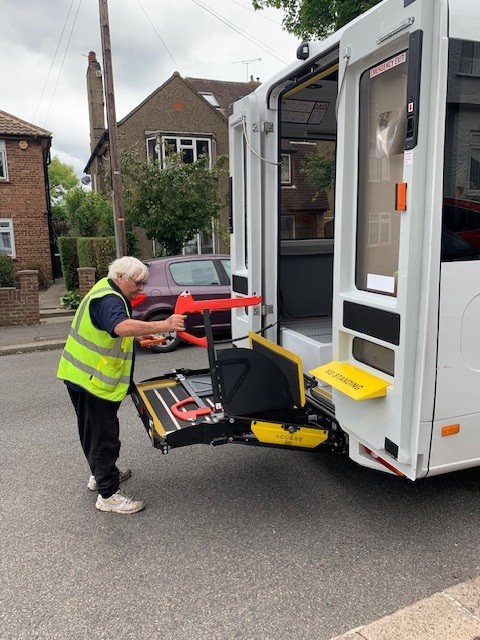
Our approach balanced thorough investigation with constructive and engaging dialogue to foster open conversations and enable those involved to feel at ease.
We used practical application via observation of policy and process, ensuring findings were both accurate and actionable. We framed the due diligence audit around the Plan, Do, Check, Act approach recommended by the Health & Safety Executive (HSE)
Findings
Our audit provided a nuanced picture:
- Positive progress: Despite some locations being under CQC special measures, improvement initiatives were already clearly underway, with evidence of effective risk and cost management tactics already showing improvement in certain areas.
- Critical risks: We identified significant gaps requiring urgent attention, including:
- Inadequate window restrictors and other key safety measures
- Absence of structured planned preventative maintenance programmes for plant and equipment (we undertook a deep dive into this area as part of our due diligence audit approach).
- Potential liability and risk of legionella from poorly designed, maintained and old water heating systems
- Fire safety deficiencies pertaining to the structure of buildings.
- Limited leadership awareness of compliance obligations beyond CQC oversight.
These findings highlighted both the potential for improvement and the scale of investment required as a number of concerns were raised that had not previously been identified.
Conclusion
Our expertise gave the client a decisive advantage in negotiations as it highlighted areas requiring high capital layout that had not previously been identified. These costs could be segregated by those that related to building and capital expenditure as a result and those that related to soft systems via training and competence of the team. It also considered the people being supported and their own needs and aspirations that would help them live in safety, comfort and a secure environment.
By quantifying risks and identifying these additional areas of cost (as well as considering the progress), we enabled our client to manage liability effectively and make informed decisions about the acquisition. The due diligence audit not only safeguarded their investment but also demonstrated our ability to transform complex compliance challenges into clear, strategic insights.